


Planting native wildflowers in your garden is such a massive benefit to wildlife. Joel Ashton (of YouTube ‘Wild Your Garden’ fame) says it’s the second best thing you can do for wildlife after making a pond.
During my RHS training they taught us the definition of a native flower is ‘a flower that was present at the end of the last ice age’, which really explains why they’re so beneficial – they’ve evolved alongside our native wildlife & so are exactly the thing they’re perfectly adapted to make use of.
I should just pause here & point out that there are many non-native plants that are really great for wildlife! This is not to say other plants can’t be really beneficial, but our natives are something you can just plonk in, they’ll always be beneficial, job done.
One excellent case study to illustrate how non-natives can be detriental, is the ubiquitous Buddleia davidii. It’s a lovely plant, butterflies love it, it’s drought tolerant, grows easily, what’s not to love? Well unfortunately there are some downsides.
It’s an excellent source of nectar, but it’s not used by our local butterflies in any other way – they don’t mate or lay eggs there, it’s not good for overwintering & it’s such a great source of food that it draws insects away from other plants that do offer those benefits, leaving them less likely to be pollinated.
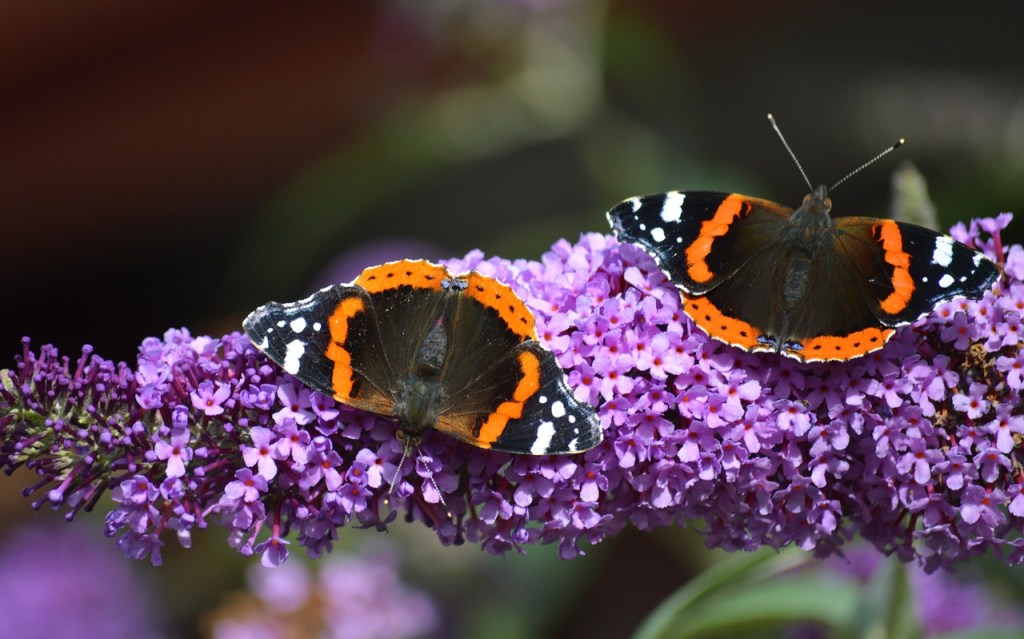
Buddleia isn’t going to destroy the environment single handedly, but personally I’ve stopped planting it all together in favour of more well-rounded plants.
How to choose a wildflower mix
There are two main types of wildflowers – perennials & annuals, with annuals made up of tender & hardy annuals. Lets quickly cover those terms:
- Perennial: A plant whose lifecycle lasts for more than one year
- Annual: A plant whose lifecycle is completed within one year
- Tender: Won’t survive a hard frost (or some of them any frost at all)
- Hardy: Can withstand a British winter.
It’s not really possible to buy tender annual wildflower mixes (not that I could find with a quick google anyway), but I’m just mentioning them here because so many companies advertise their mixes as hardy, so now you know the difference. Tender plants are planted in late spring, avoiding the frosts.
So when you’re choosing a mix you need to have a think about what you want from your wildflowers. Perennial sowings will get going more slowly, you might not see that much the first year & it could even take a couple of years to get a good flush of flowers, but after that you’ll have flowers for years with minimal effort. Annuals will look brilliant the first year but unless you let the seeds drop & then dig the area over every year, or re-sow them from a fresh packet, you won’t get any more.
Lots of wildflower mixes contain a mixture of perennial & annual seeds so you get the best of both worlds. This year I’ve planted two wildflower areas for my customers & I used a mixture of this dual purpose mix & this bee & butterfly mix both from Wildflower.co.uk. I’ll report back in spring when I know how they did, although the Nigella & Cornflowers have already started sprouting which is very exciting!
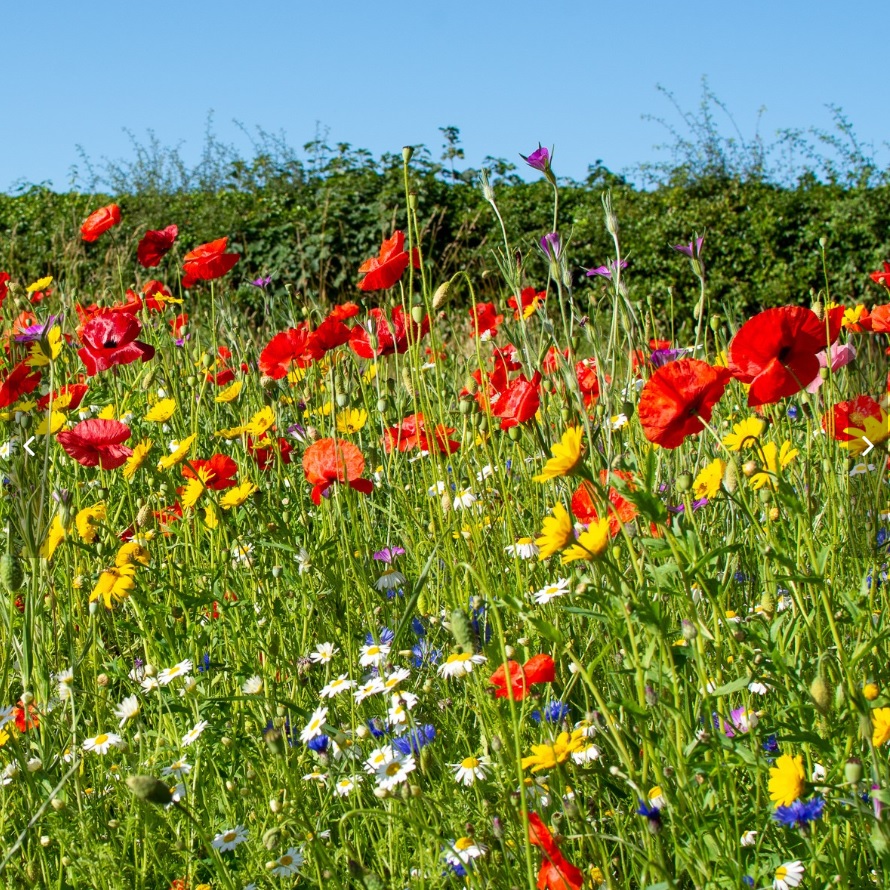
Finally you need to think about when you want to sow. You can sow in spring & your annuals will probably do just fine, they’ll start growing when the ground warms up & you’ll have flowers by summer.
If you want things to flower earlier in the year you can sow in autumn, some seeds will germinate right away & spend winter growing slowly before flowering in late spring. Others will be triggered to germinate at the end of the cold season but will still have a head start on their spring sown counterparts. That also means you can get started right now, so if you’re chomping at the bit after seeing that gorgeous photo, you’re in luck.
Where should I sow my wildflowers?
A lot of people, when they think of wildflowers, imagine a swaying meadow of poppies & long grasses. It’s a lovely image, but not necessarily practical if you have an average sized garden. One thing I’ve done for a couple of my gardening customers this year is to create a circle in the centre of their front garden with a sundial in the middle, or one of those massive metals balls that are still cool despite looking like something from 90s Star Trek.

I’ve dug up the turf in a circle & sowed the seeds in to it. Wildflowers do not like competition, so digging the top off removes grass & weeds that might compete for resources. They also dislike rich soil, so by taking off the top soil you’re giving them the less nutritious subsoil to grow in.
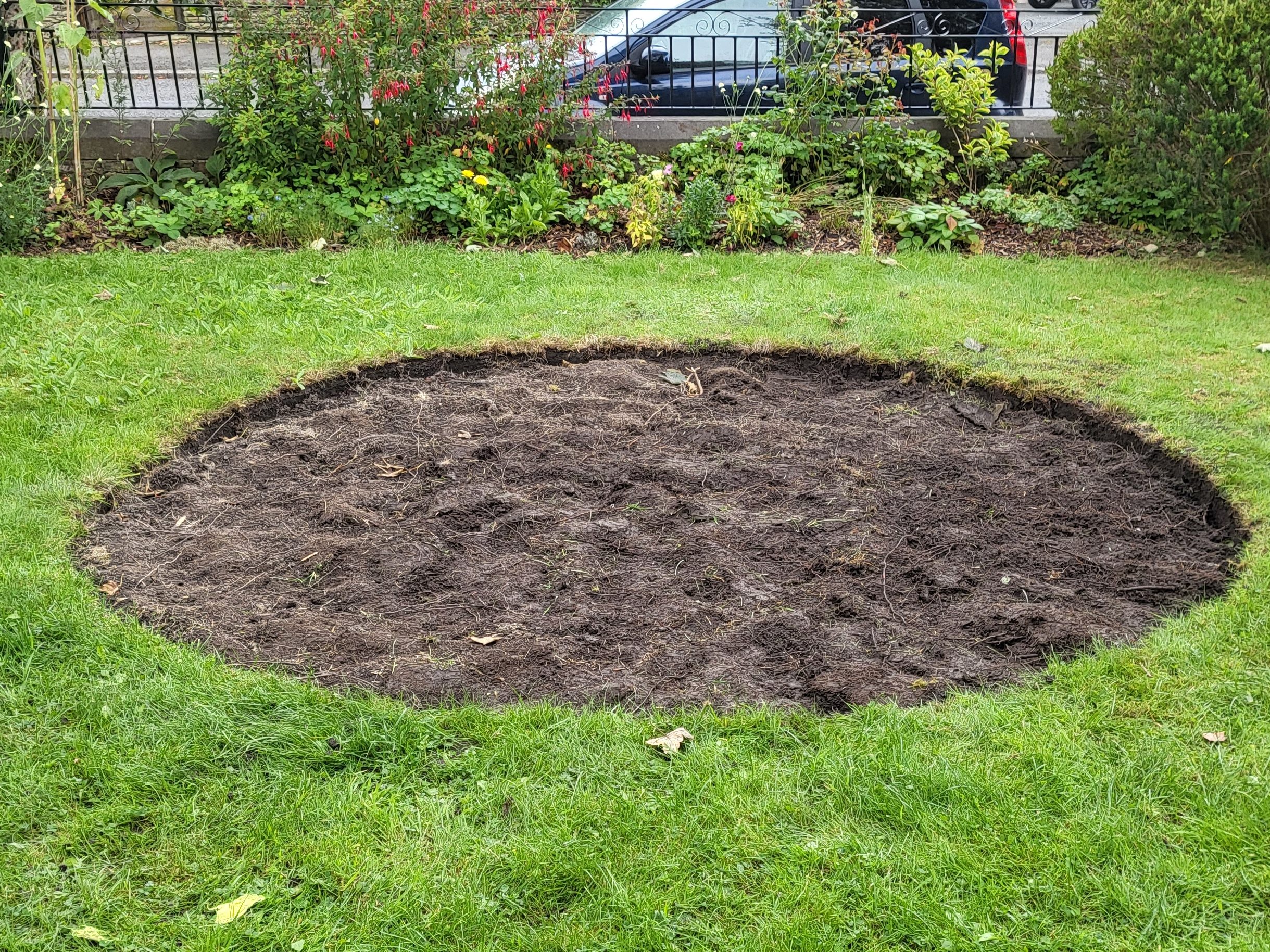
Then you either sow your seeds, or dig it over & wait for nature to take its course. There will be native seeds living in there so you just let them come to the surface. It’s an incredibly satisfying feeling just enabling nature to do her thing, however be warned this method takes many years more than seeding yourself.
If you’re wedded to the romantic cornfield dream & you’ve got a large area that wouldn’t be practical to turf, you can absolutely have a wild area without all the primping. Mow your grass really low, & remove as much of the clippings as you possibly can – they break down & feed the soil with tons of nitrogen making it great for grass & bad for wildflowers.
If you’re using this method & sowing seeds among the grass, or just waiting to see what comes up, you really need to get your hands on some Yellow Rattle. Yellow Rattle is an awesome plant that parasitises the roots of grass, weakening it & letting the natural seed bank (seed that are living dormant in the soil) gain a foothold.
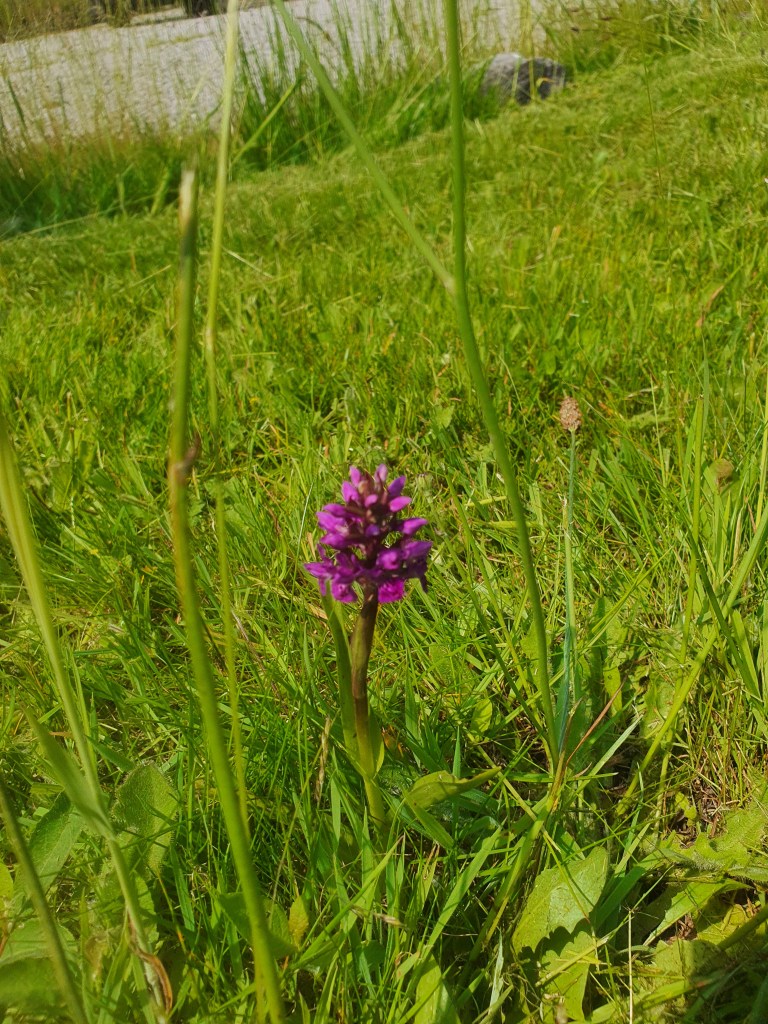
I got my yellow rattle by asking on a local wildlife WhatsApp group & collecting it from a very kind man a few streets away. You can buy it online, but local is best if you can manage it.
Wildflower aftercare
Your number one job to look after your wildflowers is to weed, weed, weed. Wildflowers reeeally don’t play nice with things like dandelions, dock, & the absolute nightmare that is pendulous sedge. They’re selfish & they want everything for themselves, so let them hog all the nutrients & water & get rid of those weeds as often as you can.
If you’ve sown your own seeds it’s a good idea to try & keep them moist. You don’t need to drench them every day, but if you have a spell of a few days with no rain you can give them a sprinkle if the ground’s looking a bit dry.
Finally, it’s worth thinking about mowing. At some point you’ll need to cut the meadow down. Perennials tend to die back in winter & grow again from the ground, so if you’ve got lots of long stems hanging around they won’t get much sun & it’ll affect their chances of growing up big & strong. On the other hand, once of the major benefits of a wildflower meadow is that it gives insects, amphibians, & tons of other small creatures somewhere to spend the winter. If you mow it down you’ll be turfing them out to brave the cold alone.
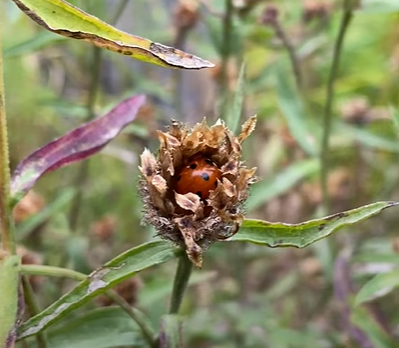
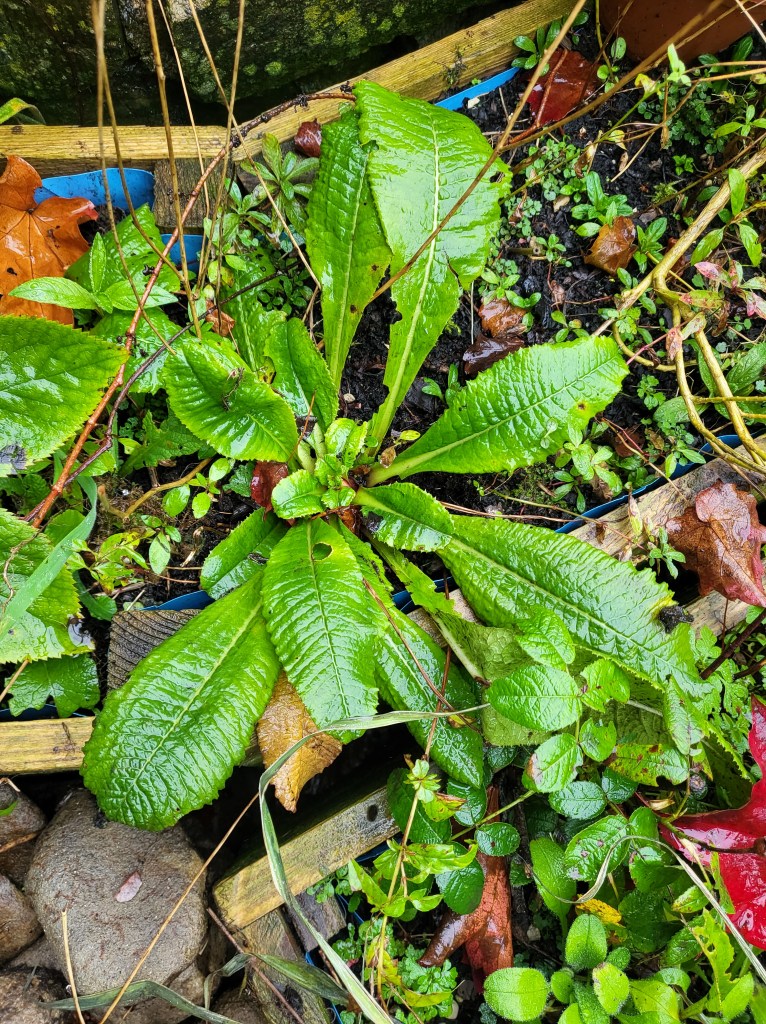
The method I use is to mow it in thirds. One third at the end of September to get some light on those perennial rosettes (a circle of leaves that remains when the main plant has died off), then another third at the end of October, leaving a third over the whole of winter as habitat which finally gets mown in March ready for the new growth.
Even if you don’t have a wildflower patch, leaving long stems over winter is an easy thing you can do to really encourage wildlife in to your garden. Protect the insects, they feed birds & hedgehogs, they eat your slugs… it’s the circle of life!
And that’s it! Wildflowers aren’t hard, but they do have specific requirements, so follow the steps here & you should be knee deep in bees before you can say ‘death to pendulous sedge’.
Have you found a creative way to include wildflowers in your garden? Let me know in the comments below.
Sign up below for more nerdy plant book fun.




 Buxton Gardens
Leave a comment